
Blog

Top 6 Benefits of Social–Emotional Learning in the Classroom

February 17, 2021

COVID-19 Impact on Social–Emotional Learning

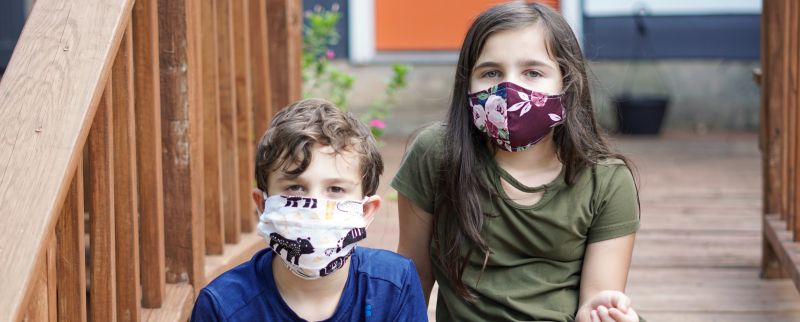
The COVID-19 pandemic has not only affected students’ academic performance, but it has also significantly impacted their social–emotional learning. Research shows that students are experiencing an increased lack of connection to peers and their communities and higher levels of mental health issues. The result is slower social and emotional development (Woolf).

Here at The Circle, we understand the importance of social-emotional education at all times but especially when life is not “normal.” We’re fortunate to be able to offer all of our programs in an online format during this time so that we can maintain contact with students.

What is Social–Emotional Learning? Why Do My Kids Need It?

We’re glad you asked. Social–emotional learning (SEL) is a process whereby children, youth, and adults:

  • increase their ability to understand and manage their emotions
  • set and work towards positive goals
  • appreciate the perspectives of others
  • demonstrate empathy
  • make good decisions
  • foster positive relationships (Durlak et al.)

Social-emotional educational programs aim to develop these core competencies to nurture more empathetic, self-aware, and emotionally intelligent individuals.

Top 6 Benefits

The benefits of a social-emotional education are abundant and wide-ranging. Here are six of the most important rewards of SEL.

1)     Increases academic success
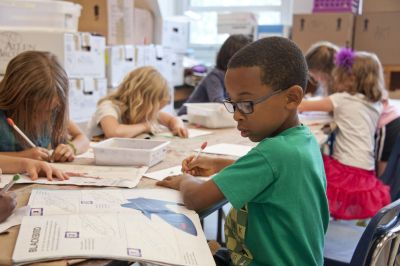
Studies show that developing stronger social and emotional skills improves students’ academic performance. When students feel heard and respected in the classroom, they can more easily focus on their learning and feel confident in their abilities. SEL also improves youths’ attitudes towards school—increasing their attendance and motivating them to learn.

2)     Improves self-awareness and confidence

SEL encourages a developmental shift wherein students move from relying on outside sources for direction about how to act toward trusting in themselves and their own values. This process allows kids to build their self-confidence and belief in self. SEL also increases youths’ self-awareness by teaching them to notice how their actions and decisions affect themselves and others.

3)     Increases empathy for others

Empathy, the ability to understand the feelings and perspective of another person, is considered a core social skill. Yet, it is often overlooked in traditional school curricula. A social-emotional education encourages kids to consider the perspectives and feelings of their peers, teachers, and parents. Practising empathy is a gateway to building other important skills such as conflict resolution, healthy communication and kindness towards others.
4)     Improves relationship building skills

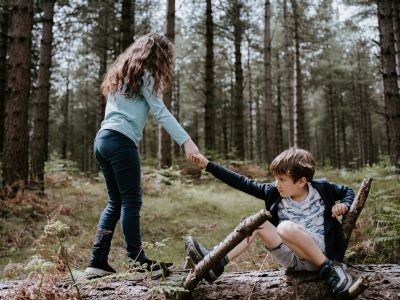
When kids learn to put themselves in another’s shoes and practise empathy, they also become more skilled in building and maintaining relationships. This includes knowing how to be a good friend, recognizing others’ emotions, and engaging in conflict resolution. SEL also teaches youth how to work well with others and practise teamwork. These are lifetime skills that will benefit students in the classroom and beyond.

5)     Decreases emotional distress

It’s becoming apparent that students who are exposed to SEL in the classroom experience less instances of anxiety, depression, stress, and social withdrawal. On top of equipping students with tools to manage their emotions, SEL programs impact students’ central executive cognitive functions, which improves their ability to self-regulate and gives them a greater ability to manage and cope with their emotions. These benefits are especially important in the current social climate, as the pandemic has caused higher levels of mental health issues and social disconnection in students.

6)     Encourages positive social behaviour (less behavioural problems)

According to recent research, students demonstrate more positive social behaviour with peers, teachers, and parents when SEL activities are implemented in the classroom. Once kids are equipped with skills for managing their emotions and practising self-regulation, they have fewer opportunities to have aggressive behaviours. When students build teamwork and relationships skills, they feel more confident during social interactions. And when students learn to work well with one another, they are able to handle interpersonal conflict in a respectful and productive way. (List Sources: Woolf and Pathway 2 Success)


Our SEL Programming

At The Circle, all of our programs are built around the core principles of SEL to foster all of the benefits that a social–emotional education has to offer.

    • We offer the Empathy Project for Grade 3, 4, and 5 students to provide them with the building blocks of social–emotional learning.
    • For Grades 6, 7, and 8, the Respect Project offers students the opportunity to get to know one another better and learn about the foundational role respect plays in their lives.
    • The Pass It On program is an after-school, cross-peer group mentorship program with intermediate students (as buddies) and high school students (as mentors). Its goal is to foster capacity for healthy relationships and support life transitions.

Our programs have successfully offered students with the wide range of benefits of a social–emotional education. Learn more about our programs or request more information about how you can bring our programs to your classroom or organization.


Adele Mark.

Adele Mark is a third year undergraduate student studying Sociology and Global Development Studies at the University of Victoria. She was involved in the Pass It On program in high school at Gulf Islands Secondary School and was hired as Marketing and Communications Assistant, a temporary student position in early 2021, at The Circle. Adele has been involved with several projects that focus on youth education and female empowerment and looks forward to continuing this work with The Circle.
New to Salt Spring, Devon is excited to engage with the local community. As a certified teacher and registered counsellor, she works with students both on Salt Spring and across BC, offering social and emotional instruction, support, and skill development. Her extensive experience in both educational and recreational settings has given her a strong appreciation for the critical role that meaningful connection with others plays in the development of children and youth. A strong advocate for social-emotional learning, Devon views it as the foundation for all other areas of growth and is particularly inspired by the programs offered by The Circle Education.

Need Bio

Christina Adair is a dedicated professional serving as a District Child and Youth Worker for SD64. With an extensive background spanning over 15 years, Christina has acquired substantial experience working with children and youth in diverse capacities. Her unwavering commitment lies in fostering youth leadership and advocating for their rights. Christina has demonstrated her dedication through 13 years of volunteering with Scouts Canada, where she successfully led youth groups and facilitated adult meetings. Christina takes immense pride in her role as a caregiver and mentor to countless young individuals, with her two grown children serving as a testament to her nurturing capabilities.

Dan has been working in the credit union system for over 22 years, the last 8 with Island Savings, a division of First West Credit Union.  His latest role is as a Branch Manager for the Salt Spring branch.

He has a long-time passion for giving back to his community, particularly where children are concerned.  He has been a scout leader for the last 19 years and has taken part in 2 Pacific Jamborees.  Once as a participant and the latest one as the treasurer.

He also volunteered for 12 years with the PACE program in Victoria.  PACE is a musical theater program through the school system for children ages 5 – 17 that puts on two shows every year.

While new to Salt Spring, having moved here in the spring of 2021, he is excited to get involved with the community and proud to be involved with The Circle Education.

Lisa grew up in Cochrane, Alberta, and has recently come to live on Salt Spring Island, after having lived abroad for 25 years.  She studied fine arts at the Wackers Academie in Amsterdam, had a son in Denmark and a daughter in the UK. She served as Chair of the PTA of Holy Trinity Primary School in Wimbledon for 5 years, which was a registered charity entity separate from the school. She learned about the Pass it On Boys program when her son showed an interest in joining it. Being new to the community she asked fellow parents about the program to find out how it was viewed. After hearing only good things about it, she registered her son and the next logical step was of course to join the board, as she always strives to be an active member of the community by providing support based on her broad life experience.

Lyyli Kennedy was a Pass it On mentor at Gulf Islands Secondary School and has been drawn to the idea of working with The Circle Education for a long time. She had been waiting for a facilitator role that aligned with her schedule as head baker at Francis Bread, and this role with the Pass it On Program is the perfect match. With her background leading diverse kitchen teams and working as a classroom education assistant, Lyyli (pronounced Loo-Lee) is committed to fostering respectful relationships and inclusive spaces.

Patrick Howlett moved from Australia to Canada in 2019. Nine years earlier, he switched careers from communications to outdoor education. He worked with young people at The Great Aussie Bush Camp and Camp Tanuga in Michigan, USA, and helped students run their Senior Leadership Challenge at Camp Summit in Squamish. His work with youth taught him the value of patience, the ability to see the best in people, the importance of clear communication and empathy.

Marcia is our Communications and Event Coordinator since July 2021. She moved with her husband and two daughters – who are both attending high school in SD64 now – from the Netherlands to Salt Spring Island in 2012

As a swim team coach for the Salt Spring Stingrays, Marcia knows and understands youth realities of living on a small island.

Marcia has 25+ years of experience in writing and communication for Dutch and Canadian media outlets – most recently the Driftwood – and non-for-profits.

Kate has been working with The Circle since 2010, serving as a facilitator and contributor to program development. Her extensive experience in developing and implementing curricula has supported the organization's ability to address youth needs effectively.

Kate's unique approach combines her background in theatre, play building, and improv with a deep understanding of youth development. This blend of skills allows her to create engaging, interactive experiences that resonate with young people across various age groups.

Students consistently praise Kate for her compassion, attentiveness, and ability to create a warm, welcoming atmosphere.

Nick MacKinnon has a background in cancer research and biomedical engineering and in working with medical device startup companies as a founder and director. As a former educator, Nick has a strong commitment to STEM advocacy. He has served as a director and advisor on multiple boards and advisory committees, including the biomedical engineering programs at BCIT and UBC and professional associations in both BC and internationally. Nick has also been involved with non-profit cooperatives in British Columbia, particularly in the housing and car-sharing sectors. Notably, as a director, he helped lead the development and construction of the 54-unit Arbutus Housing Co-op in Vancouver. Now retired, Nick continues his longstanding dedication to education and social justice. As a director with The Circle Education, his interest is in governance, financial management, and fundraising.

Need Bio/Last Name

Janine started her career with the Ministry of Education in Victoria, B.C. in 2000 as an education officer in the area of accountability and system performance. Since moving to SSI, Janine has taught as a teacher-on-call with School District #64, delivered parent support sessions as a trained Virtues Project Facilitator and worked for Volunteer and Community Resources Society (VCR) in support of the island’s not-for-profit sector.

Janine is a dedicated member of the Salt Spring Island community. She sat on the Board of The Lady Minto Hospital Foundation for six years, served as chair of the SSI Foundation Grants Advisory Committee for six years, coordinated the local Terry Fox Run for eight years, served as a board member and then president of the Salt Spring Island Aquatic Society for a total of eight years, and in 2018, she founded the local chapter of 100 Women Who Care.