
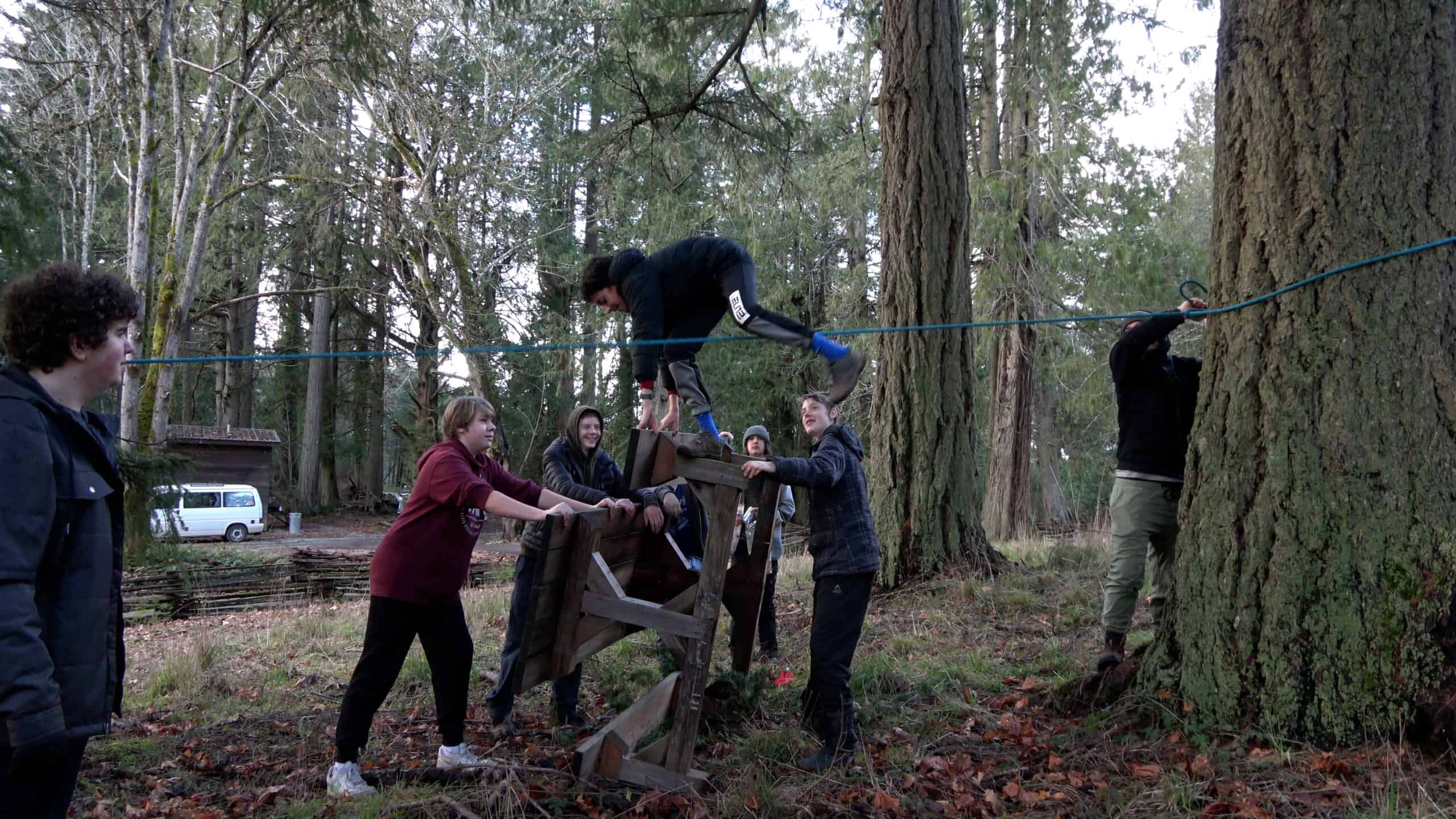
Teenagers crave and seek risks. It helps them to develop and grow. We often think of risk-taking as dangerous, but risk-taking is not always negative. Healthy risk-taking – like hiking up a mountain, riding a unicycle, or performing on stage – helps kids build confidence and strengthen leadership skills. We talked about these healthy risks and how you can encourage your kids to take those, with Dan Adair, an experienced scout leader with Scouts Canada, and James Cowan, circus and gymnastics coach on Salt Spring Island.
When you were young, were you a risk-taker yourself?
James: “Yes, in some ways. But I always had a healthy sense of risk calculation already at a young age, so it was nothing too dare-devilly. It was all within the confinements of mountain biking, riding bikes and mountaineering. And I played in a rock and roll band for years which brought on different risks. Later on, I got into kayaking, but at the same time, I started kayak guiding, learning much more about risk calculation and safety instructions to keep my clients safe. I still use these skills. I am managing risks for multiple jobs.”
Dan: “I was into mountain and road biking, and skiing, and I played a lot of watersports when I was young. There were certain risks involved, but I was just having fun and I don’t think I ever looked at anything being risky. I definitely took more risks when I was in university. I did a little bit of skydiving and caving and when you do those things, the risk piece is forced on you. I didn’t do these activities because of the risks, I was just doing an activity.”
What is the riskiest thing you did when you were young?
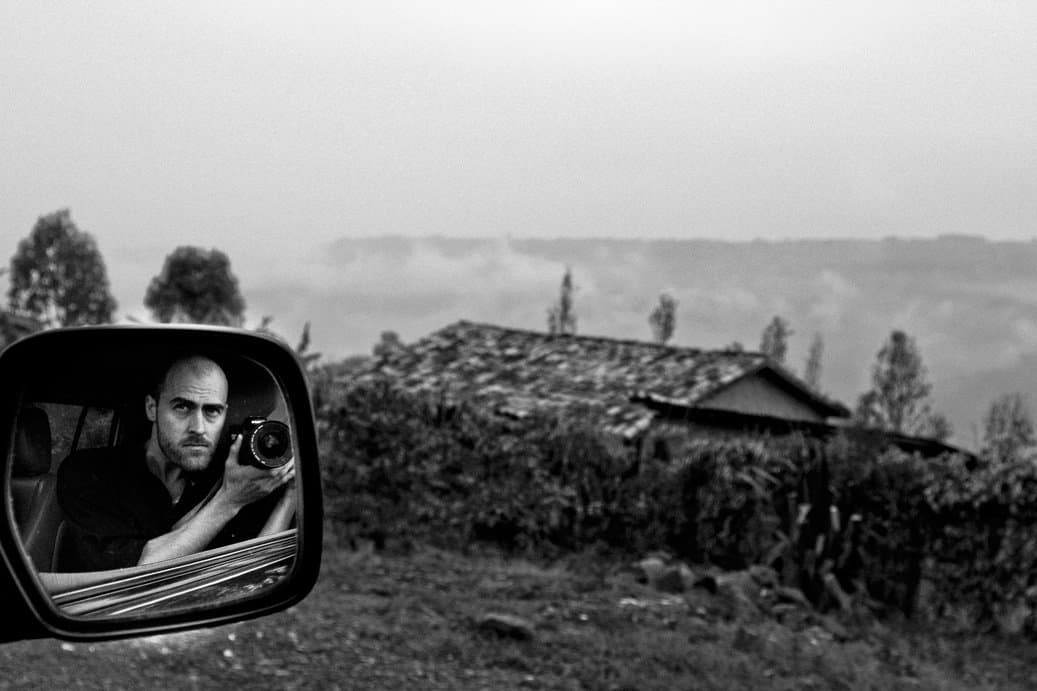
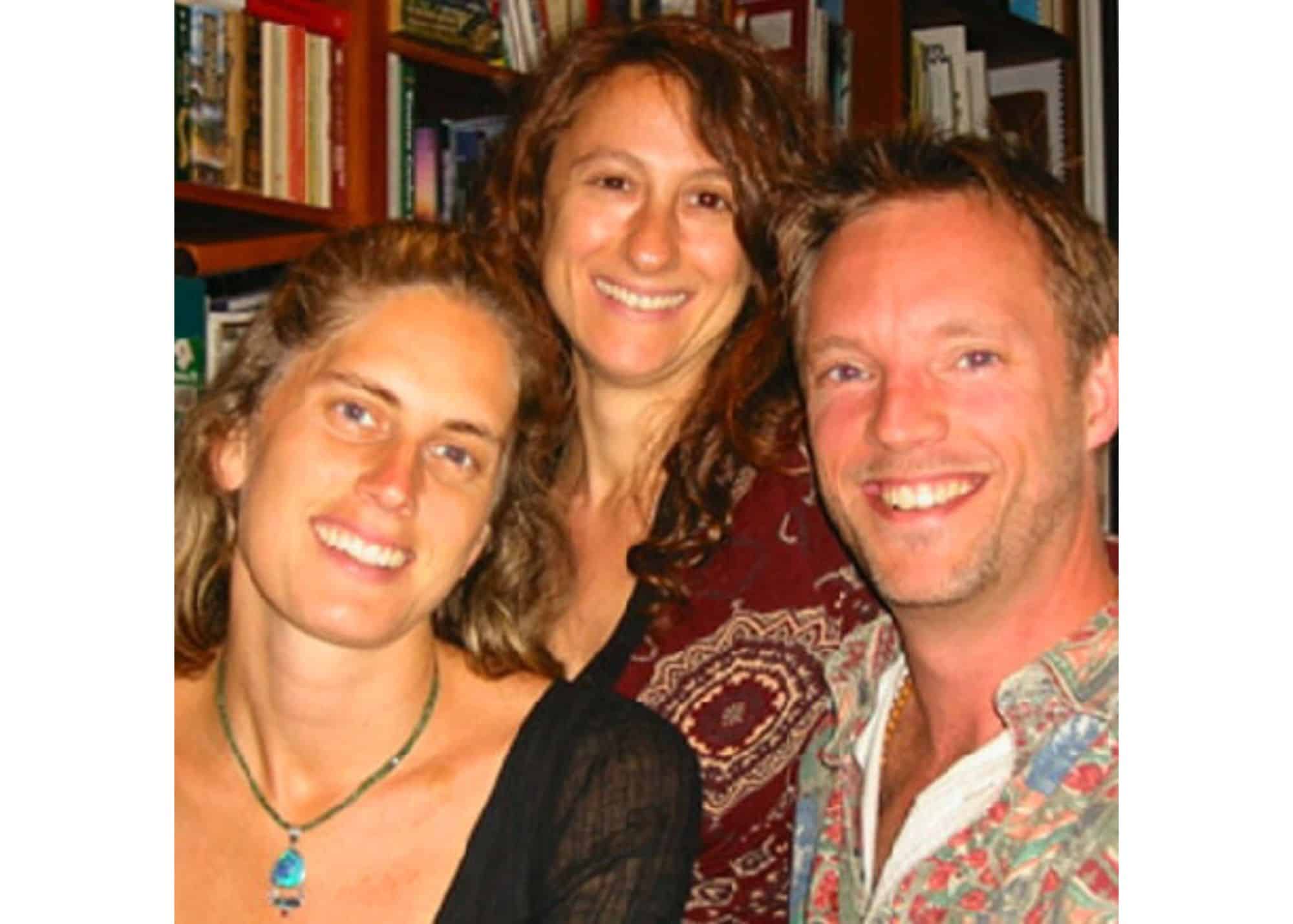
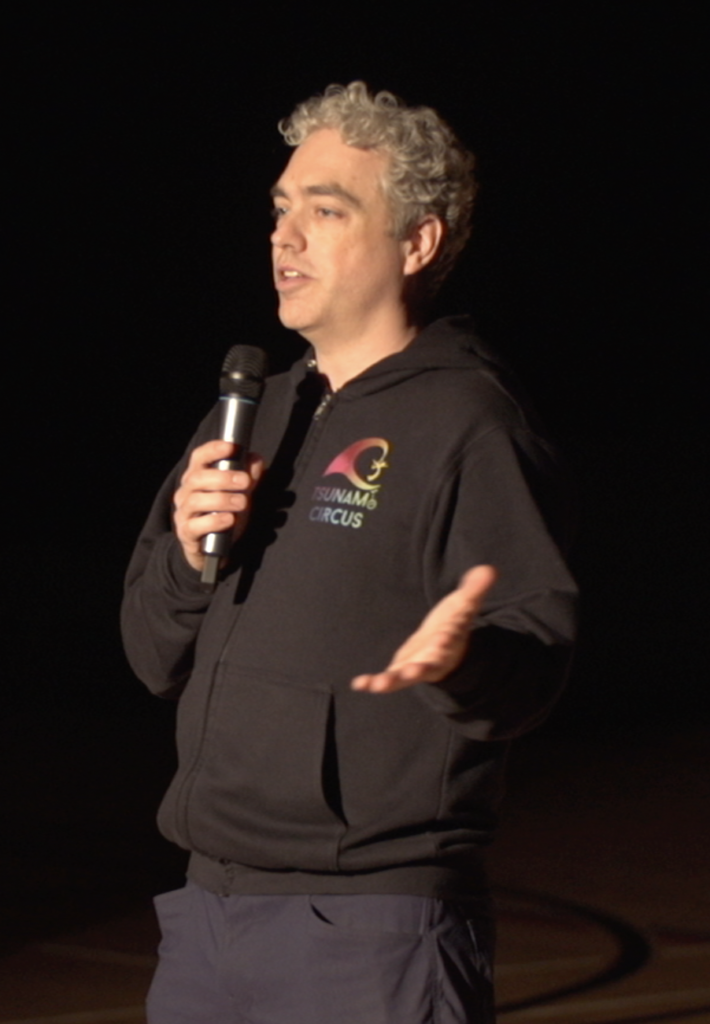
James (foto left): “Hands down the riskiest thing I did as a youth was driving. It was the early nineties in a small-town setting. They gave us our license a month after turning sixteen. I had no formal training, I didn’t have the skills, we had crappy old cars, and we put eleven people in it. It was not safe. We didn’t really know the inherent risks of driving and there were no crumple zones and airbags. I didn’t really see the risks then. When I took risks intently, it wasn’t anything major. It was snowboarding or skiing off small cliffs, nothing ever went wrong.”
Dan: “The one time in my life, and it still flashes before my eyes, when somebody, including myself, could have got hurt really, really badly, was also behind the wheel of a car. We were just goofing around, going too fast, racing each other. Did you ask me at the time if I thought it was risky what we did, I absolutely would have said no. The only reason that I am still here today, is that we didn’t encounter other cars. If I could go back, I would definitely do that differently.”
What is the fun of taking risks?
Dan: “When I skied or was climbing mountains, I didn’t do it for the thrill, I didn’t think of the risks at all. I got hurt sometimes, but there were no permanent injuries. It was just fun.”
James: “I like minor thrills and adventures and the fun and camaraderie that comes with mountain biking and mountaineering. I still have that desire for adventures, but to me, it doesn’t necessarily have to be risky, dangerous, or thrilling. It is just that some of the things that I like to do, have some of these aspects.”
How do you define healthy risks?
Dan: “Anything that can stretch you out of our comfort zone. The risk of injury isn’t a bad thing if it is all within reason. If you don’t want to cut yourself you should never use a knife. When we do activities with Scouts, there is always a certain degree of risk of injury, but that is life. You can’t always avoid accidents.”
James: “I see taking healthy risks as having done a thorough risk calculation and then put in enough safety measures and risk mitigation so if or when something goes wrong, as predicted or unforeseen, there is enough of a safety net or a plan in place. This way nobody will get to suffer physical or psychological harm. Small injuries can always happen, but we want to avoid big accidents. Kids seek out risks, they need them for their development. You’d better do it in a safe environment. In gymnastics and circus, kids will learn that there will be muscle strain, soreness and stiffness, but it is not a bad kind of pain. If you can work through it, you will get stronger and better.”
Can you tell a little bit more about the healthy risks youth encounter in the program(s) you facilitate(d)?
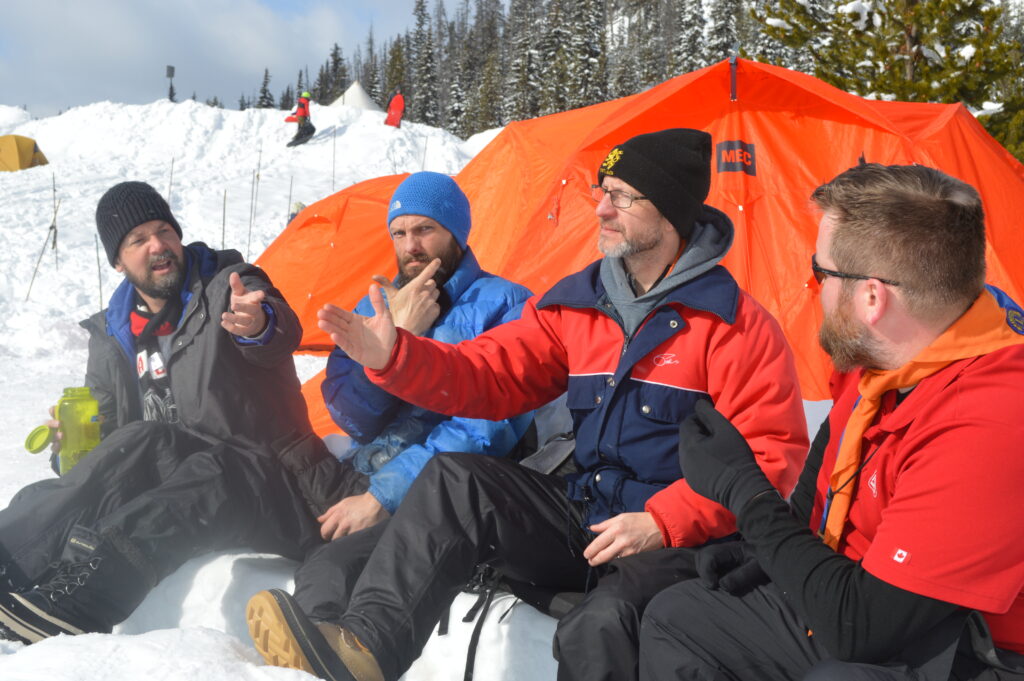
Dan (in photo second from the right): “Scouts Canada has been building programs for youth for decades. They have an excellent idea of what level each age group is at, what kind of activities they need to be doing, and what the risks are. We mitigate risks, and there is a strict regiment, so if something goes wrong there is a safety plan in place. What do you do if you see a wild animal, what happens if there is a wildfire? We are extending risks all the way up from Beavers. We hike up mountains, make canoe trips, do caving and rafting, and kids learn about everything that has to do with camping; like fire building, chopping wood and cooking food. Providing kids with these life skills is an important part of our work.”
James: “There are lots of healthy risks in our circus program for sure, but there are many safety measures in place. When we do aerial silk routines for example. Kids climb 24 feet up and hang from the ceiling, often on one hand, wrapping the silk around them. Until, at one point they are letting go, tumbling down from the ceiling, catching themselves before they hit the mat. There are all kinds of mitigations in place, from the ringing expectation to the equipment that we use, the mats on the floor, and the insurance we have. There is a lot of courage and strength required to be able to get to the top. The beginners practice much closer to the ground. We let them start on the mat, and they go up in steps. If we have to, we can rescue them mid-air, but it is very rare for someone to fall. In the eight years we’ve been doing this, we had only four minor incidents out of maybe 400 kids doing this routine.
What do these healthy risks for kids?
James: “Especially in the circus program, it is life-changing when kids progress and develop skills they can either show, teach or aspire to. They see their peers and they want to be able to do what their peers are doing. That pushes them to want to take healthy risks. Taking healthy risks is about growing and developing. It is empowering.”
Dan: “I 100 percent agree with James. Before we go on a canoe trip, kids have to learn to roll in a fully loaded canoe. They have to learn that skill in a controlled environment before we take them out in the real world. I’ve seen kids grow and get more confident. I think these programs have a real impact on these children.”
What advice can you give to parents with kids who, maybe due to a lack of other outlets, seek their thrills in alcohol, drugs, and related dangerous behaviour?
Dan: Find a welcoming organization, like circus, or scouting, and take healthy risks and adventures. Do it with your kids, that is one of my takeaways. My kids and I were both involved in scouting, I love being involved in what they do and I have a very close relationship with them because of that.
James: Find a way to let them find out how to take healthy risks. Whether it be archery, ax throwing, mountain biking, scouts, or circus, there are myriad things they could do out there. Teach them about risk mitigation and risk calculation at a young age so ideally when they go through life and they are beginning to hang out with friends, they have a bit of that processing in their brains. And hopefully, they will carry some of that through their life in all situations.”