

Blog

16 ways to end gender-based violence

November 25, 2024

Learn about 16 ways you can help end gender-based violence (GBV) during the 16 Days of Activism Against Gender-Based Violence campaign.

  1. Acknowledge the problem. Everyone in Canada – women, men, transgender and gender diverse people – can be a victim of gender-based violence.
  2. Know the risks. The odds of experiencing violence are not the same for everyone. Young women and girls, Black and racialized women and girls, Indigenous women and girls, 2SLGBTQI+ and gender non-binary individuals, women in Northern, rural, and remote communities, and people with disabilities are at much greater risk of experiencing GBV.
  3. Stop victim shaming/blaming. Generally, victims won’t report gender-based violence cases to the police because they feel they will be shamed by their families, friends, or the offender.
  4. Be alert to non-physical violence. Not all gender-based violence is physical. Name-calling, stalking, harassment, control (including financial), cyber attacks, and manipulation are all forms of GBV.
  5. Avoid gender stereotypes: Men and boys also suffer from unfair social expectations, like having to be tough and be the main breadwinner. Women can be CEOs, girls can build great things, men can cry, and boys can like pink, just to name a few.
  6. Challenge social norms. Research suggests that gendered language reinforces inequality and more regressive norms. Harmful social norms that sustain GBV include ideals for women’s sexual purity or protecting family honour over women’s safety. Don’t accept phrases like “boys will be boys” or “she was asking for it” as an excuse for negative or criminal behaviours.
  7. Remove negative stigma. Most of sexual assaults do not come to the attention of police. A major reason is fear, shame, and embarrassment of being judged, blamed, or not believed. You can help end stigma by believing and supporting those who report being victimized by GBV.
  8. Educate youth. Generally, violence is a learned behaviour. Young people need to learn how to openly communicate in relationships so they can give and ask for consent, set boundaries, and speak up if they see or experience sexual violence. You can help by showing good behaviour, like being open about your own boundaries.
  9. Know what to do if someone asks for help. Services for survivors are essential services. If there is immediate danger, call 9-1-1. In Canada shelters, hotlines, counselling, and other supports and services for those affected by gender-based violence are available in most communities.
  10. Engage men and boys. The majority of men and boys do not engage in violence against women and are needed as allies to help change the culture. Men and boys can lead by example by rejecting violent behaviours toward women, girls, and non-binary people and being willing to speak out whenever they see violence or harassment directed at others.
  11. Recognize triggers. If you, your friends, or family are in a time of crisis, seek support and learn which local, regional, and national services for those affected by gender-based violence are available to help. Times of crises, like financial pressures from a job loss or a global pandemic, can increase the risk of GBV.
  12. Take action. Don’t be a bystander. Learn safe ways you can intervene if gender-based violence is happening around you, such as unwanted sexual attention in public.
  13. Promote gender diversity in workplaces. A lack of gender diversity in the workplace, particularly in leadership roles, can foster unsafe work environments that include harassment, like sexist jokes – a form of GBV.
  14. Highlight positive role models. It’s important to see others who look and act like us succeeding. Role models that reflect a range of genders, ages, and ethnicities, such as community leaders, celebrities, athletes, Indigenous elders, or teachers, help engage youth.
  15. Support shelters. The most dangerous time for a victim of abuse is when they try to leave their abuser. Shelters have resources and training to help victims leave safely.
  16. Put safety first. Do not stay in a dangerous situation if you can leave safely. Shelters can provide short-term housing, support, legal aid, and even financial help. Victim services can help you develop a plan, find ways to protect yourself, and help you get a non-criminal protection order to keep the person who abused you away from you.

@copyright: https://www.canada.ca/en/women-gender-equality/
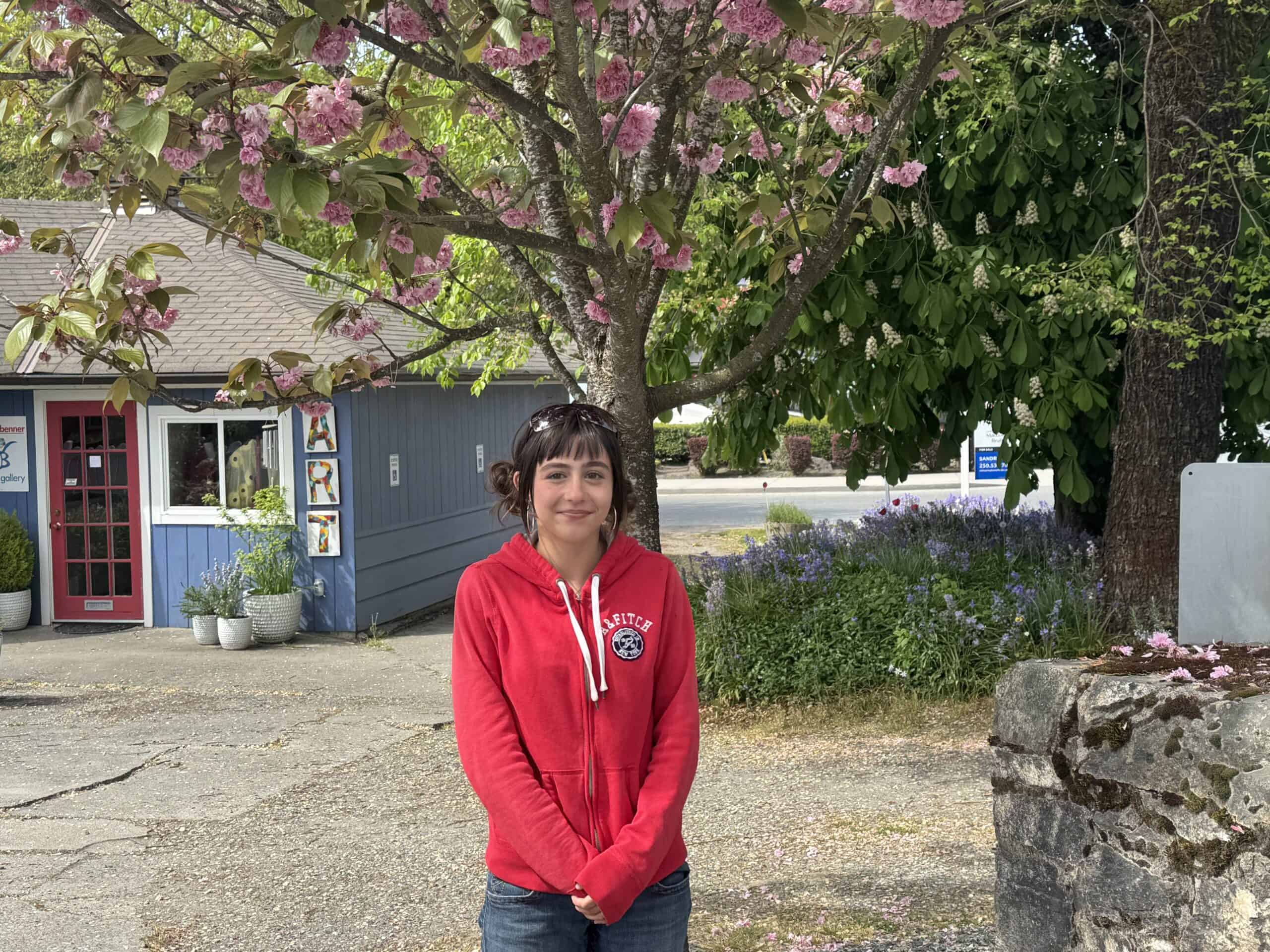
New to Salt Spring, Devon is excited to engage with the local community. As a certified teacher and registered counsellor, she works with students both on Salt Spring and across BC, offering social and emotional instruction, support, and skill development. Her extensive experience in both educational and recreational settings has given her a strong appreciation for the critical role that meaningful connection with others plays in the development of children and youth. A strong advocate for social-emotional learning, Devon views it as the foundation for all other areas of growth and is particularly inspired by the programs offered by The Circle Education.

Need Bio

Christina Adair is a dedicated professional serving as a District Child and Youth Worker for SD64. With an extensive background spanning over 15 years, Christina has acquired substantial experience working with children and youth in diverse capacities. Her unwavering commitment lies in fostering youth leadership and advocating for their rights. Christina has demonstrated her dedication through 13 years of volunteering with Scouts Canada, where she successfully led youth groups and facilitated adult meetings. Christina takes immense pride in her role as a caregiver and mentor to countless young individuals, with her two grown children serving as a testament to her nurturing capabilities.

Dan has been working in the credit union system for over 22 years, the last 8 with Island Savings, a division of First West Credit Union.  His latest role is as a Branch Manager for the Salt Spring branch.

He has a long-time passion for giving back to his community, particularly where children are concerned.  He has been a scout leader for the last 19 years and has taken part in 2 Pacific Jamborees.  Once as a participant and the latest one as the treasurer.

He also volunteered for 12 years with the PACE program in Victoria.  PACE is a musical theater program through the school system for children ages 5 – 17 that puts on two shows every year.

While new to Salt Spring, having moved here in the spring of 2021, he is excited to get involved with the community and proud to be involved with The Circle Education.

Lisa grew up in Cochrane, Alberta, and has recently come to live on Salt Spring Island, after having lived abroad for 25 years.  She studied fine arts at the Wackers Academie in Amsterdam, had a son in Denmark and a daughter in the UK. She served as Chair of the PTA of Holy Trinity Primary School in Wimbledon for 5 years, which was a registered charity entity separate from the school. She learned about the Pass it On Boys program when her son showed an interest in joining it. Being new to the community she asked fellow parents about the program to find out how it was viewed. After hearing only good things about it, she registered her son and the next logical step was of course to join the board, as she always strives to be an active member of the community by providing support based on her broad life experience.

Lyyli Kennedy was a Pass it On mentor at Gulf Islands Secondary School and has been drawn to the idea of working with The Circle Education for a long time. She had been waiting for a facilitator role that aligned with her schedule as head baker at Francis Bread, and this role with the Pass it On Program is the perfect match. With her background leading diverse kitchen teams and working as a classroom education assistant, Lyyli (pronounced Loo-Lee) is committed to fostering respectful relationships and inclusive spaces.

Patrick Howlett moved from Australia to Canada in 2019. Nine years earlier, he switched careers from communications to outdoor education. He worked with young people at The Great Aussie Bush Camp and Camp Tanuga in Michigan, USA, and helped students run their Senior Leadership Challenge at Camp Summit in Squamish. His work with youth taught him the value of patience, the ability to see the best in people, the importance of clear communication and empathy.

Marcia is our Communications and Event Coordinator since July 2021. She moved with her husband and two daughters – who are both attending high school in SD64 now – from the Netherlands to Salt Spring Island in 2012

As a swim team coach for the Salt Spring Stingrays, Marcia knows and understands youth realities of living on a small island.

Marcia has 25+ years of experience in writing and communication for Dutch and Canadian media outlets – most recently the Driftwood – and non-for-profits.

Kate has been working with The Circle since 2010, serving as a facilitator and contributor to program development. Her extensive experience in developing and implementing curricula has supported the organization's ability to address youth needs effectively.

Kate's unique approach combines her background in theatre, play building, and improv with a deep understanding of youth development. This blend of skills allows her to create engaging, interactive experiences that resonate with young people across various age groups.

Students consistently praise Kate for her compassion, attentiveness, and ability to create a warm, welcoming atmosphere.

Nick MacKinnon has a background in cancer research and biomedical engineering and in working with medical device startup companies as a founder and director. As a former educator, Nick has a strong commitment to STEM advocacy. He has served as a director and advisor on multiple boards and advisory committees, including the biomedical engineering programs at BCIT and UBC and professional associations in both BC and internationally. Nick has also been involved with non-profit cooperatives in British Columbia, particularly in the housing and car-sharing sectors. Notably, as a director, he helped lead the development and construction of the 54-unit Arbutus Housing Co-op in Vancouver. Now retired, Nick continues his longstanding dedication to education and social justice. As a director with The Circle Education, his interest is in governance, financial management, and fundraising.

Need Bio/Last Name

Janine started her career with the Ministry of Education in Victoria, B.C. in 2000 as an education officer in the area of accountability and system performance. Since moving to SSI, Janine has taught as a teacher-on-call with School District #64, delivered parent support sessions as a trained Virtues Project Facilitator and worked for Volunteer and Community Resources Society (VCR) in support of the island’s not-for-profit sector.

Janine is a dedicated member of the Salt Spring Island community. She sat on the Board of The Lady Minto Hospital Foundation for six years, served as chair of the SSI Foundation Grants Advisory Committee for six years, coordinated the local Terry Fox Run for eight years, served as a board member and then president of the Salt Spring Island Aquatic Society for a total of eight years, and in 2018, she founded the local chapter of 100 Women Who Care.